Table Of Content
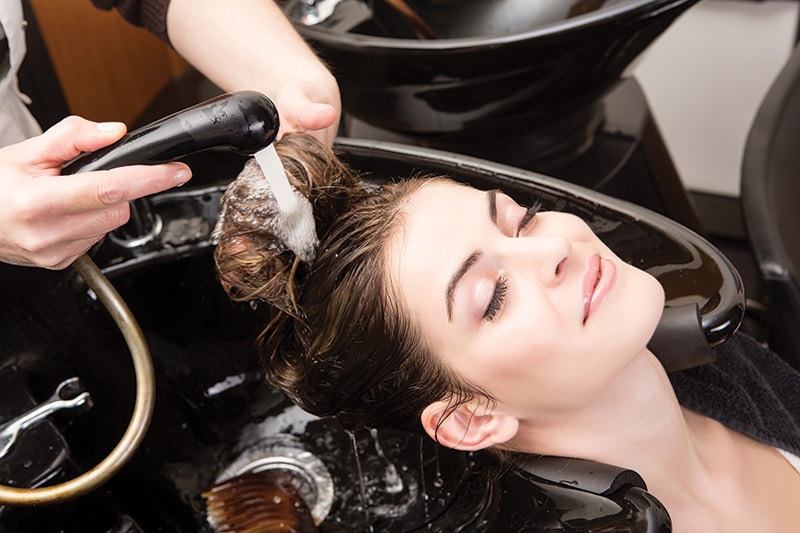
This request, she says, will help prevent her clients from experiencing any scalp sensitivities the day of their appointment. "Washing your hair prior to an appointment allows barriers to be removed like sebum buildup, residue, or any pollution your hair may have absorbed since your last wash." To maintain your color vibrancy, switch to a color-protecting shampoo and conditioner system like L’Oréal Professionnel’s for long-lasting results. Avoid heat styling as much as possible and use natural oils instead. Consider using sulfate-free shampoos specifically designed for colored hair and opt for occasional color toning sessions. Following up on the information we just shared, you can dye your hair when it’s greasy, and it actually benefits your hair and scalp.
Try a Sulfate-Free Shampoo and Conditioner
Semi-permanent hair dye tends to rinse out of your hair within four to 20 shampoos, and permanent hair dye lasts much longer. Imagine your hair as a canvas, and hair dye as the artistic paint that’s going to give it a beautiful new hue. When your hair is a little greasy (but not excessively so), it’s like preparing the canvas with a primer. Creating a protective layer that can help shield your scalp. In essence, it’s a built-in defense mechanism for your scalp.
L’Oréal Paris Le Color Gloss One Step In-Shower Toning Gloss
It works to strengthen the hair from the inside out by reinforcing weak hair bonds, especially when used in combination with the L’Oréal Paris EverPure Bond Strengthening Pre-Shampoo Treatment. Together, this trio helps repair the hair fibers' weak bonds in just six uses. Plus, it helps the hair look smooth and feel soft while protecting it from future damage. Once you’re ready to try a new hue, you may be overwhelmed by the number of different hair color products and dyes on the market. To help you sort through your options, we’re breaking down seven different at-home hair dye options that L’Oréal Paris offers.
Shop Clarifying Shampoos:
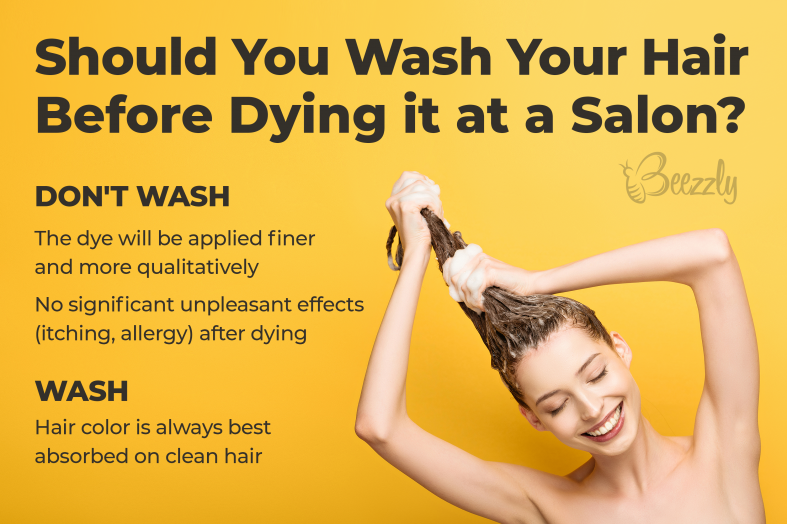
Cleaning your hair beforehand ensures that your hair is free of any products that could prevent the dye from properly coloring your strands. According to Gandolfo, hair cleanliness impacts the effectiveness of your coloring. Whether you’re looking for a touch-up or just trying to make it a few more days before your next salon appointment or at-home color session, a root cover up spray is the best quick fix.
Giving yourself a blowout will allow you to see how your newly-colored hair looks when it's styled and how even the hair color seems (and maybe see areas of improvement if a second dye job is needed). Styling your hair also allows you to fully appreciate your DIY hair-dye job. It also helps to use a high-quality conditioner and shampoo the next time you wash your hair after coloring to help the new color stay vibrant, last longer, and look and feel salon quality.

Whether or not you’re picky about your hair, it’s always good to bring inspiration so you and your colorist are on the same page (and they appreciate the guidance of what your end goal is). After all, “beachy blonde” to you might mean Gisele Bündchen, while your colorist might be picturing Rosie Huntington-Whiteley. Cutting your hair pre- or post-color all depends on how drastic the cut is and where the color is sitting, says Bodt. "If you are doing a lot of color on the ends, we recommend getting a haircut before so it doesn’t get cut out. But if you are doing something solid you can do it after," she says. Celebrity colorist Lorri Goddard adds that it's also a good idea to shape your hair to how you want it to be (or how you wear it most when it's styled). “When the shape of your hair is changed, the light and shadow are reflected differently,” she explains.
Apply the pre-shampoo treatment first and leave it on for five to eight minutes before rinsing. Topical minoxidil is an FDA-approved treatment that is used to combat the effects of androgenetic alopecia, and it’s highly effective at promoting the regrowth of hair, according to a 2019 study. It can be purchased over the counter, and it’s found in various strengths — typically 2% to 5%, Agbai says. Topical minoxidil “is applied directly to the scalp and works by increasing blood flow to the hair follicles, promoting hair growth and thickening existing hair,” she says. Sign up to our newsletter and get exclusive hair care tips and tricks from the experts at All Things Hair. How often a person’s hair needs washing can depend on several factors, such as what is in their hair.
DO: Wash Your Hair Before Getting it Colored
As I Am Curl Color Review - PureWow
As I Am Curl Color Review.
Posted: Tue, 02 Mar 2021 08:00:00 GMT [source]
This will give the color time to set and prevent it from washing out too quickly. Others say that washing immediately after coloring helps to seal in the pigment and prevents the color from staining or fading too quickly. When it comes to newly colored hair, the experts are divided. "I personally love Shu Uemura’s Silicone-free Cleansing Oil Shampoo," says Gandolfo. Reviewers agree, writing that this cleansing oil removes build-up without stripping hair of moisture or color.
"I personally only use permanent color when 100 percent grey coverage is needed [for] this very reason," says Rae. Changing the color of your brows to match your newly dyed strands is not a must-do when straying from your natural tone. In fact, dying your brows to match can, in many cases, cause your new color job to look more artificial. Leaving the brows in their natural color can help accentuate a client's facial features, Pineda points out.
Picking the perfect hair color shade for your complexion is essential. But the truth is, getting your best color starts even before you open your hair color box. Here are a few handy tips to keep in mind before you color hair at home. Use one, like the L’Oréal Paris EverPure Repair Remedy Balm, once or twice a week.
7 Things I Wish I Knew Before Dyeing My Hair Red - Glamour
7 Things I Wish I Knew Before Dyeing My Hair Red.
Posted: Fri, 10 Dec 2021 08:00:00 GMT [source]
Here are some of the top mistakes to avoid when dyeing your hair at home. Not everyone has enough time or money to visit the salon to get their hair professionally dyed. Dyeing your hair at home might occasionally be the only option, as it was during the height of the COVID-19 pandemic. That being said, some people make mistakes when they are dyeing their own hair. Developed by French hair colorists, balayage, a highlighting technique, has been around since the 1970s but has recently really taken off in popularity. When it’s done right, you’ll look like you’ve just spent a few days at the beach—basically, your highlights should be on the pieces of hair that see the most movement (around your face and crown, specifically).
When changing your color from light to dark, our experts recommend asking your colorist to use a semi- or demi-permanent color until you are absolutely certain you can commit to the change. "Removing permanent hair color can not only be very difficult but [can also] result in stress and potential damage on your hair," warns Rae. According to celebrity hairstylist Rachel Bodt, washing your hair depends on your hair type and texture. If you're still not sure, a good rule of thumb is to shampoo your hair at least 24 to 48 hours before your coloring session, unless otherwise directed. Before dyeing your hair at home, always review all steps carefully first. Most dyes work better on not freshly washed hair since skipping a wash allows for oils to build up, which protects against irritation caused by dye.
Avoid washing your hair less than 24 hours before you dye it. The natural oils on your scalp are there for a reason — to protect the scalp. These oils come in handy when you go to apply chemicals to your hair, as the oils can create a protective layer of sorts. When you wash your hair within 24 hours of applying the hair color, the hair dye will cause your clean scalp to experience pain and irritation. On the flip side, applying hair dye to unwashed hair protects both your hair and scalp from the dye and any ensuing irritation. As a general rule, you should avoid washing your hair immediately before coloring it.
The Marula Oil Blend Scalp Protecting Primer is a salon essential, featuring a fine nozzle that allows you to target it directly onto the scalp and into the roots of hair. Apply it in horizontal sections, and the protective oil will shield skin during even the most demanding color transformations, while preventing moisture loss on skin that’s prone to dryness. Best of all, it doesn’t compromise the look or finish of the color you apply.


No comments:
Post a Comment